
Vfd Drives Controls
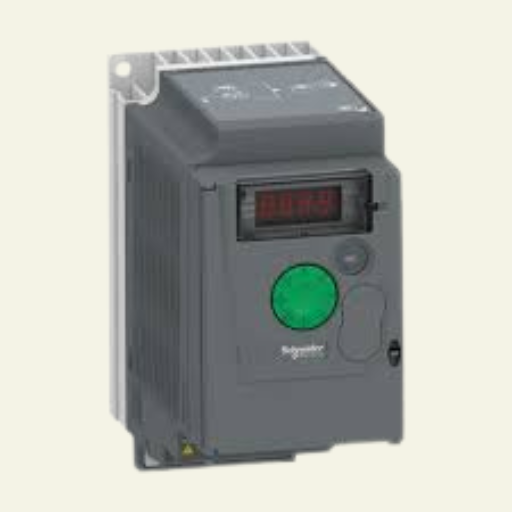
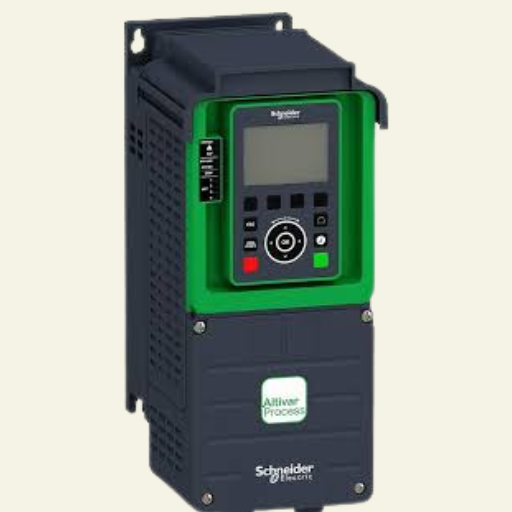
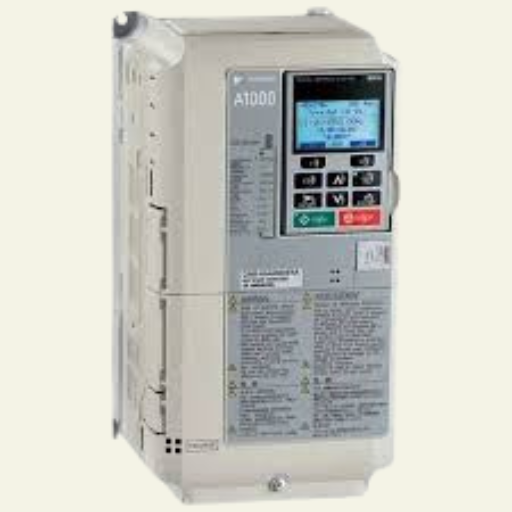
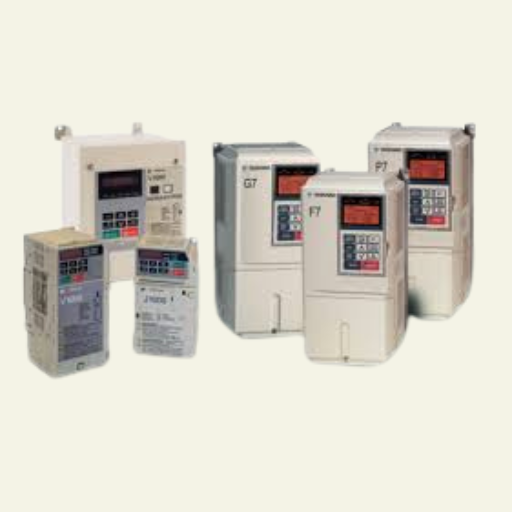
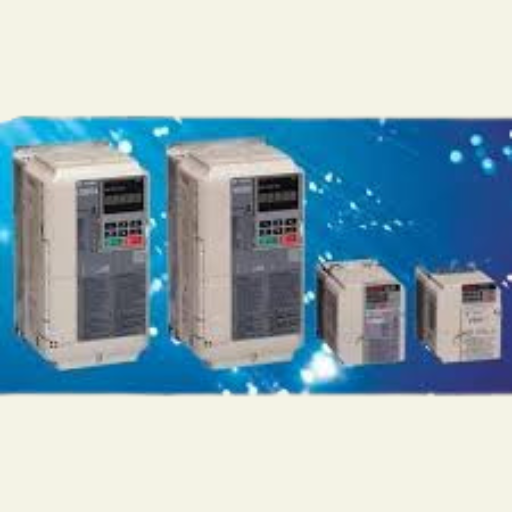
A Variable Frequency Drive (VFD) system, also known as a Variable Speed Drive (VSD) or Adjustable Frequency Drive (AFD), is an electronic control system used to regulate the speed and torque of an AC induction motor by varying the frequency and voltage supplied to it.
How a VFD System Works
A VFD controls motor speed using Pulse Width Modulation (PWM) technology. It converts fixed incoming AC power into variable frequency and voltage output.
Basic Components of a VFD System:
Component
Function
Rectifier
Converts incoming AC to DC
DC Bus (Capacitor Bank)
Smooths and stores DC voltage
Inverter
Converts DC back to variable AC using IGBTs (Insulated Gate Bipolar Transistors)
Control Circuit (Microprocessor/DSP)
Manages speed, torque, protection, and communication
Working Principle (Step-by-Step)
Input AC Power → 3-phase 50/60 Hz supply
Rectification → AC → DC (using diodes or active front-end)
DC Link → Filters and stabilizes DC voltage
Inversion → DC → Variable Frequency & Voltage AC (using PWM)
Output to Motor → Controls motor speed:
\text{Speed (RPM)} \propto \frac{\text{Frequency (Hz)} \times 120}{\text{Number of Poles}}
Advantages of VFD Drives
Benefit
Description
Energy Savings
Reduces power consumption at partial loads (up to 50% savings)
Soft Start/Stop
Eliminates inrush current, reduces mechanical stress
Precise Speed Control
±0.5% accuracy
Process Optimization
Matches motor speed to load demand
Extended Equipment Life
Less wear on motor and driven equipment
Applications of VFD Systems
Industry
Common Uses
HVAC
Fans, pumps, chillers
Water/Wastewater
Pumps, blowers
Manufacturing
Conveyors, mixers, compressors
Oil & Gas
Pumps, compressors
Mining
Crushers, conveyors
Elevators/Cranes
Smooth acceleration/deceleration
Key Parameters to Select a VFD
Parameter
Consideration
Motor HP/kW
Match VFD rating ≥ motor
Voltage
230V, 400V, 690V (match supply & motor)
Load Type
Constant torque (CT) or Variable torque (VT)
Overload Capacity
150% for 60 sec (CT), 120% for 60 sec (VT)
Environment
IP rating, cooling method
Communication
Modbus, Profibus, Ethernet/IP
Types of VFDs
Type
Features
V/f Control
Simple, cost-effective (for fans/pumps)
Sensorless Vector
Better torque control without encoder
Closed-Loop Vector
High precision with encoder feedback
Regenerative VFD
Feeds energy back to grid during braking
Protection Features in Modern VFDs
Overcurrent / Overload
Phase loss (input/output)
Overvoltage / Undervoltage
Motor stall prevention
Ground fault
Thermal protection (motor & drive)
Installation Tips
Derating at Altitude (>1000m): ~1% per 100m
Cable Length: Use shielded cables for >50m to reduce EMI
Harmonics: Use line reactors or filters if THD >5%
Bypass Mode: Optional for critical applications
Popular VFD Brands (India Market)
ABB (ACS580, ACS880)
Siemens (Sinamics G120, V20)
Danfoss (VLT, iC7)
Schneider Electric (Altivar)
Delta, Fuji, Yaskawa, Mitsubishi
Energy Savings Example
Equipment
Without VFD
With VFD (50% speed)
Centrifugal Pump/Fan
100% power
~12.5% power (Affinity Law: Power ∝ Speed³)
Would you like:
A VFD selection checklist?
Wiring diagram?
Programming guide for a specific brand?
Cost-benefit analysis template?
Let me know your motor details (kW, application, voltage) for a tailored recommendation!